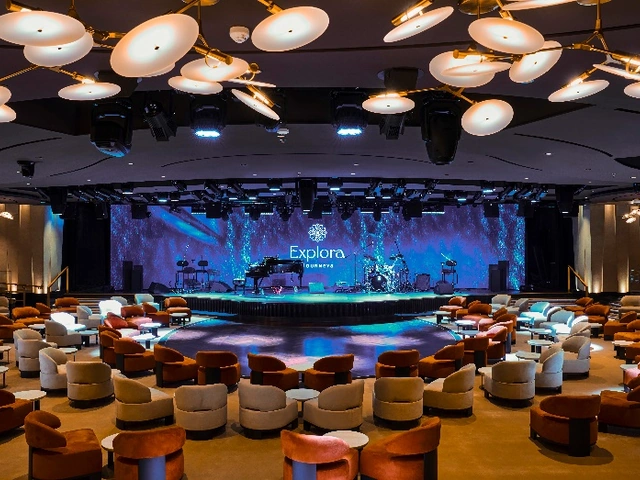
The private island for Explora Journeys and MSC Cruises, MSC Ocean Cay Marine Reserve, is at the forefront of a cruise-industry-wide drive to support and sustain the world’s oceans. World Oceans Day is the perfect time to share some of those stories as we reflect that nearly three-quarters of our Earth is covered in oceans. Whether you live on one of the world’s coastlines or cruise, oceans affect us all.
The water dominating the surface of our “Blue Planet,” helps regulate the entire world’s climate and weather by absorbing heat and storing carbon dioxide.
Did you know oceans produce half of the oxygen we breathe, through microscopic marine plants - phytoplankton? The heat and movement of oceans also affect weather patterns, rainfall, and temperatures that affect farming and freshwater supplies far beyond coastal regions.
As a cruise lover, I’m proud that cruising stands up for oceans and our Blue Planet.
The cruise industry has a collective goal of net-zero emissions by 2050. According to the Cruise Lines International Association (CLIA), every new generation of cruise ship is 20% more energy-efficient than the previous class of ships. So new cruise ships are about more than new design, dining, and entertainment experiences!
If, like me, the more you cruise, the more you fall in love with and want to protect the oceans.
On World Oceans Day, we can learn more about how cruise lines are being part of the solution, the projects they are supporting and spearheading - some of which you, as a cruise guest, can participate in! - and what we as individuals can do to make a difference.
MSC Cruises / Explora Journeys / MSC Foundation
Super Coral Program – Ocean Cay MSC Marine Reserve, Bahamas
WATCH VIDEO ABOVE: Meet the marine biologist helping develop ‘Super Coral.’
The Super Coral Program is one of the cruise industry's most ambitious coral-restoration initiatives. Scientists are identifying and propagating heat-resistant strains of endangered coral to help reefs survive warming oceans. Guests visiting Ocean Cay can see coral nurseries and learn about ongoing restoration efforts.
The Mission Blue Partnership is a multi-year collaboration supporting marine protected areas ("Hope Spots"), ocean literacy programs and seagrass restoration projects in the Mediterranean.
“Oceans Day powered by MSC Foundation.”
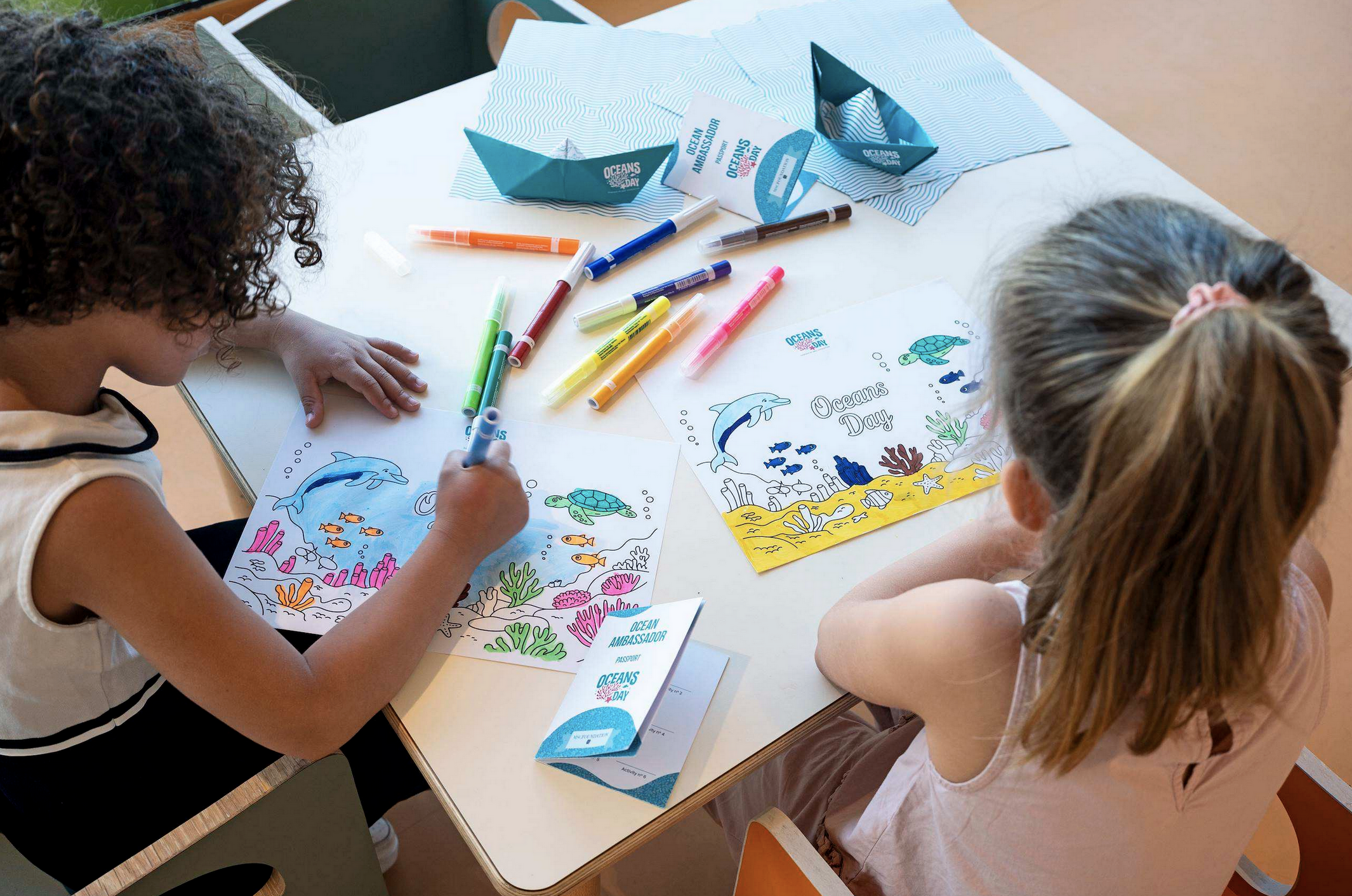
To celebrate World Oceans Day this year, it has launched “Oceans Day powered by MSC Foundation.” It’s a new onboard program for children and families combining learning, creativity and participation and helping nurture the next generation of ocean ambassadors.
The onboard program is designed around three pillars – celebrating the ocean on every cruise, placing children and families at the center of the experience, and fostering ocean literacy. It draws on the MSC Foundation’s years of collaboration with conservation and education partners, combining lessons from its restoration work at Ocean Cay MSC Marine Reserve in The Bahamas with the expertise of organizations such as Mission Blue and Marevivo to create immersive experiences.
Viking Expeditions
Viking Octantis and Viking Polaris were designed as working research vessels with onboard wet and dry laboratories. Scientists sail alongside guests conducting research in polar regions, the Great Lakes and other sensitive ecosystems.
Genomics at Sea Program (GASP)
In partnership with the Scripps Institution of Oceanography and the J. Craig Venter Institute, Viking supports onboard environmental DNA (eDNA) sequencing to study marine biodiversity and monitor ecosystem health through its Genomics at Sea Program.
Fjord Phyto Citizen Science Program
Guests help collect phytoplankton samples for NASA-supported research. Phytoplankton produce roughly half of Earth's oxygen and are critical indicators of ocean health.
Great Lakes Research Partnerships
Viking's expedition ships support freshwater science, biodiversity monitoring and water-quality research throughout the Great Lakes—an important reminder that protecting waterways extends far beyond oceans.
HX (formerly Hurtigruten Expeditions)
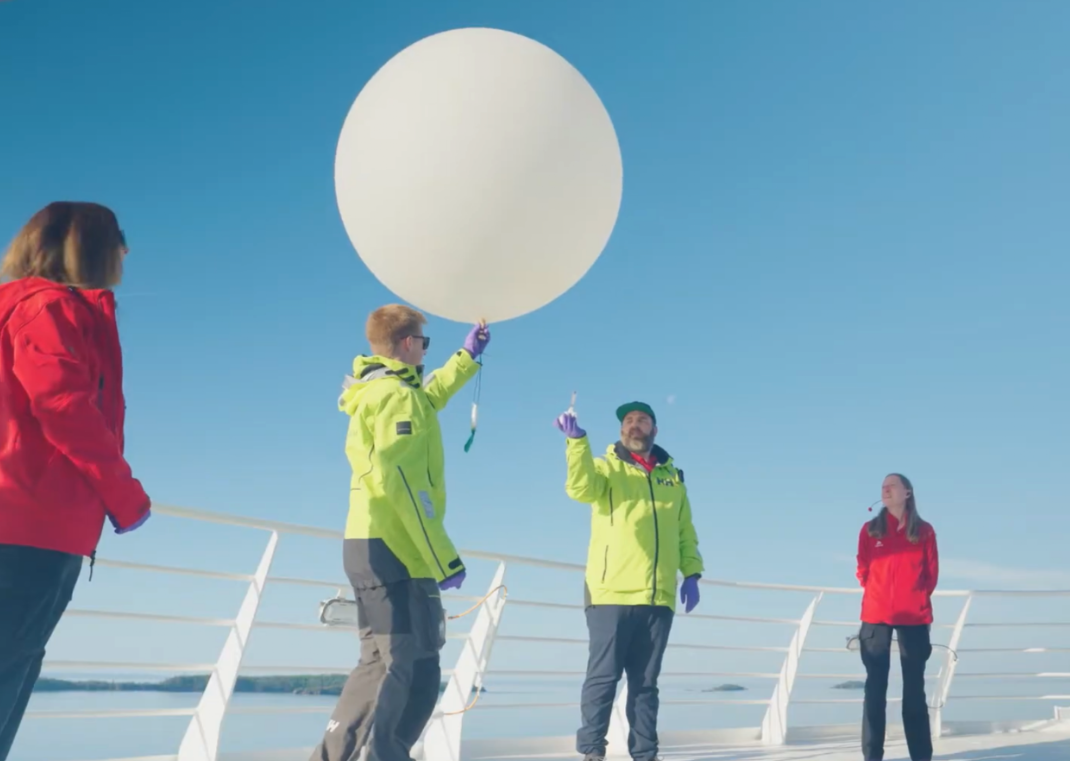
Widely considered the gold standard in expedition cruise citizen science. Guests can participate in collecting water samples, recording wildlife sightings, monitoring marine debris and supporting climate research.
Supports projects focused on marine biodiversity, plastic pollution reduction, conservation education and community initiatives in destinations visited by expedition ships.
Ponant
Funds scientific research and biodiversity studies and brings researchers on board the fleet in remote marine environments including Antarctica, the Arctic and Pacific islands.
Ponant and the Woods Hole Oceanographic Institution (WHOI) recently unveiled new initiatives to protect polar environments. Their enhanced partnership introduces:
- The Polar Ocean Image Collection: A collaboration with WHOI and The Ocean Agency, this open-access bank provides non-commercial, media-quality images to scientists, educators, and journalists to raise awareness about rapidly changing cryospheric regions.
- AI-enabled Whale Spotter Cameras and autonomous sensors on board ships to study remote sea ice and protect marine wildlife from vessel strikes.
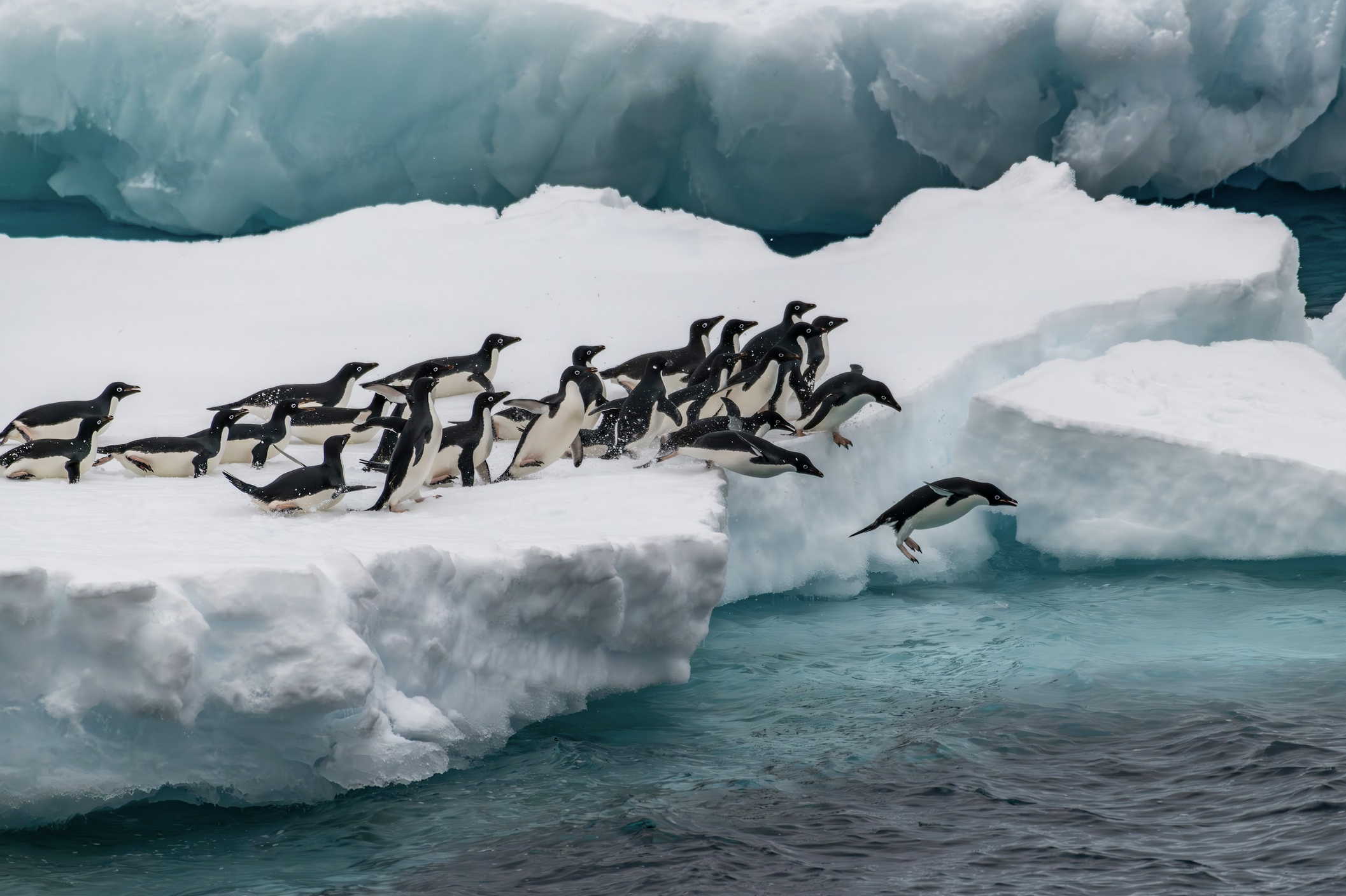
Adelie Penguins, Antarctica image: Alexandre Herbrecht, Studio PONANT / Ocean Image Bank
Royal Caribbean Group
WWF Global Ocean Conservation Partnership
Royal Caribbean Group, the parent company of Royal Caribbean, Celebrity Cruises and Silversea, has a partnership with the renowned World Wildlife Fund supporting sustainable tourism, destination stewardship, responsible seafood sourcing, ocean conservation projects and environmental education.
An onboard ocean education program, developed with WWF, helps guests better understand marine ecosystems and conservation challenges.
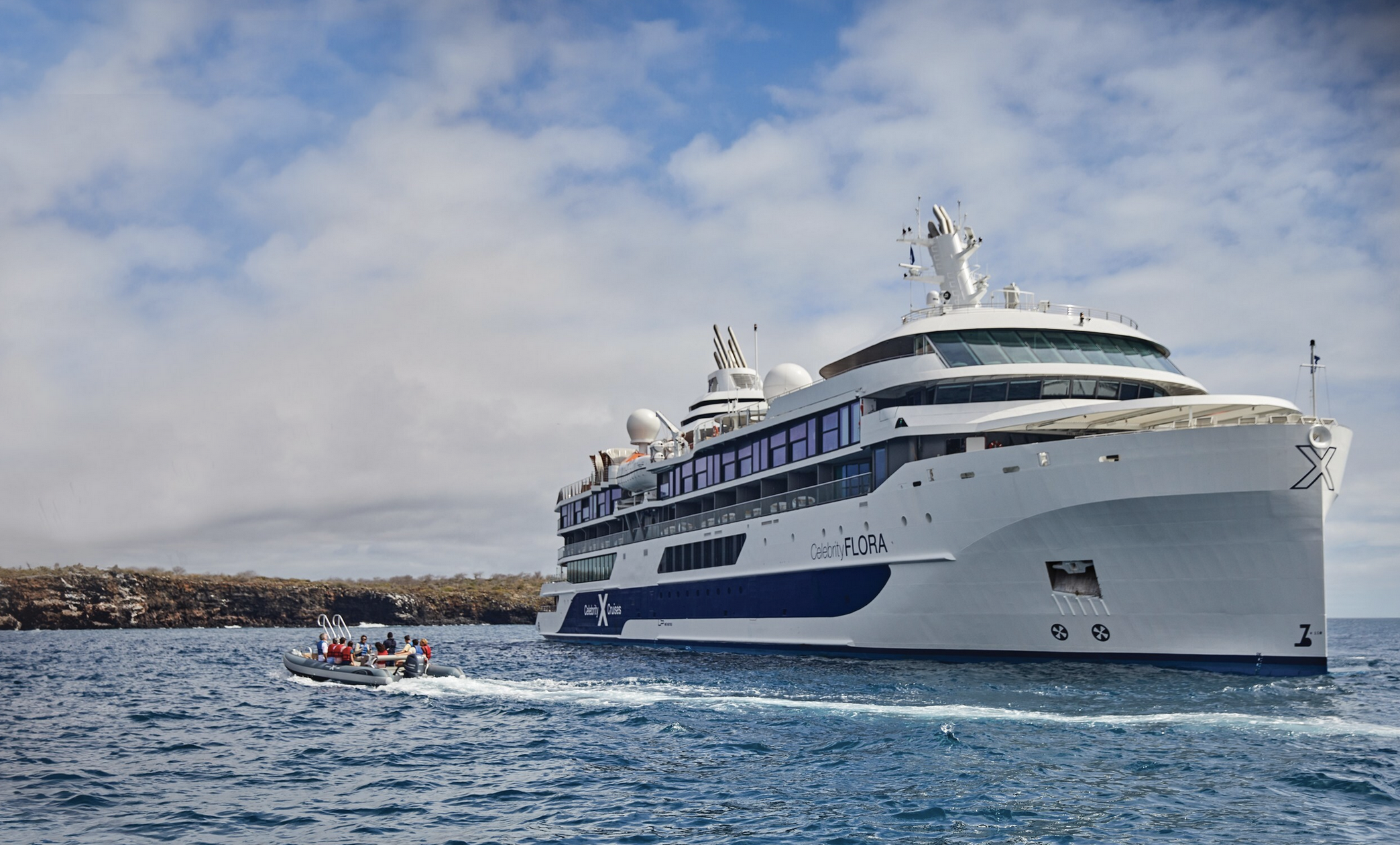
Celebrity Cruises
Galápagos Conservation Projects
Celebrity's Galápagos operations support a variety of conservation initiatives in partnership with the local community and the Galápagos National Park. Efforts have included giant tortoise restoration, invasive species management and habitat protection.
Cunard
ORCA Marine Mammal Monitoring Program
Passengers and trained volunteers help collect whale, dolphin and porpoise sighting data for the UK marine conservation charity ORCA. Decades of observations have contributed to marine mammal research and protection efforts.
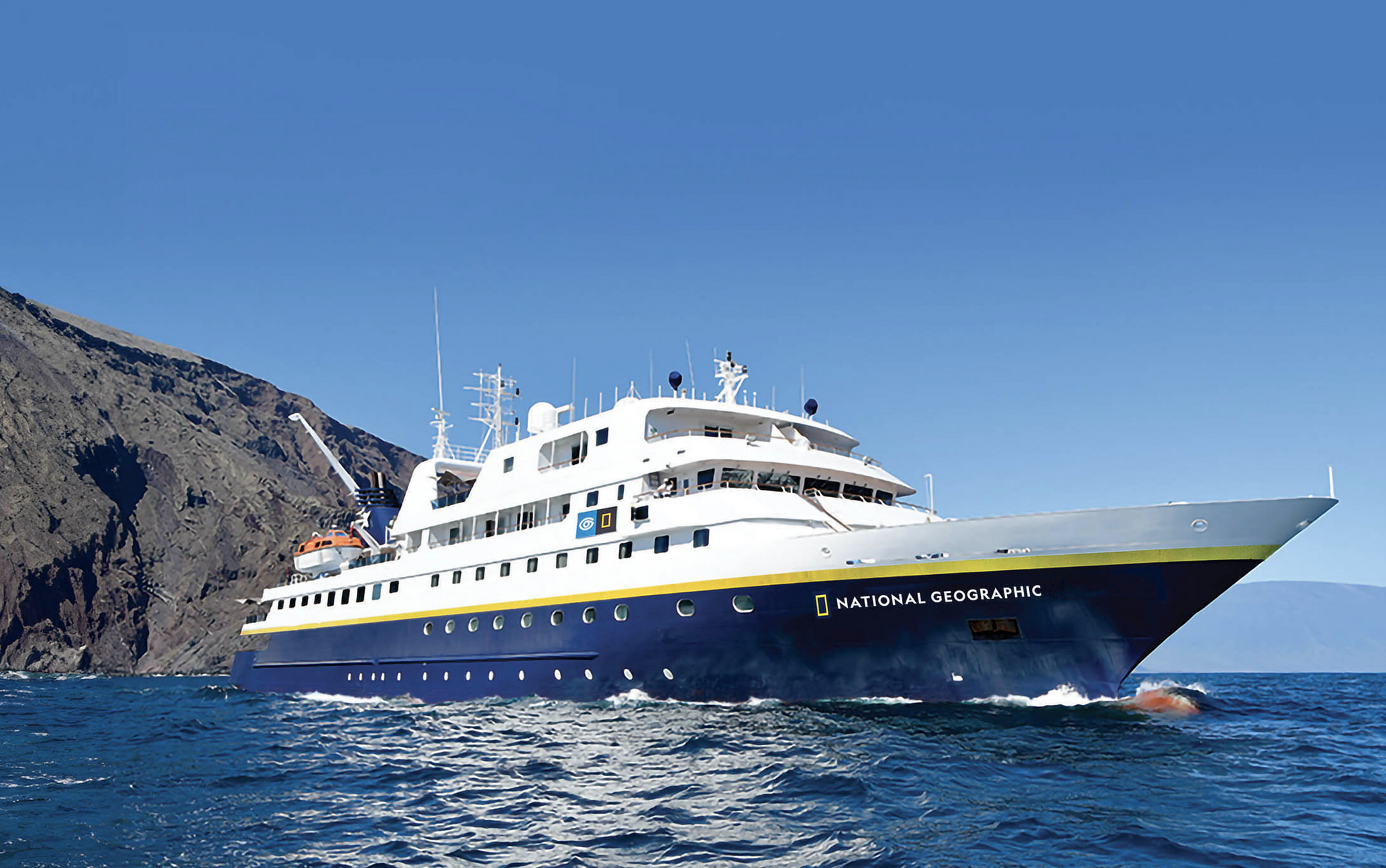
Lindblad Expeditions/ Nat Geo
National Geographic-Lindblad Conservation Fund
Supports marine conservation, scientific research and habitat protection in destinations including Antarctica, Alaska and the Galápagos.
Research and Scientist-in-Residence Programs
Scientists frequently travel aboard Lindblad ships, conducting field research and engaging guests in ongoing conservation projects.
This program gives pre-K–12 educators the opportunity to sail on board ships to participate in field-based exploration, providing a transformative, real-world experience that teachers can bring back to their classrooms, schools, and communities, improving geographic literacy and awareness.
Norwegian Cruise Line Holdings
Coral Reef and Mangrove Restoration Projects
Through destination partnerships and sustainability programs, Norwegian's brands—including Oceania Cruises and Regent Seven Seas Cruises—have participated in coral reef, mangrove and coastal restoration initiatives in destinations throughout the Caribbean and elsewhere.
Cruise travel is a choice and a privilege, and we hope cruise travelers will support cruise lines and projects that make a difference to preserve, sustain, and protect the vast oceans that inspire us to travel and sustain the planet.
START YOUR CRUISE TRIP!
Videos and story: Lynn Elmhirst, cruise/ travel journalist
Images courtesy of respective cruise lines or as noted
All rights reserved. You are welcome to share this material from this page, but it may not be copied, re-published, broadcast, rewritten or redistributed.